Serving Denison, TX and surrounding areas. (903) 415-9256
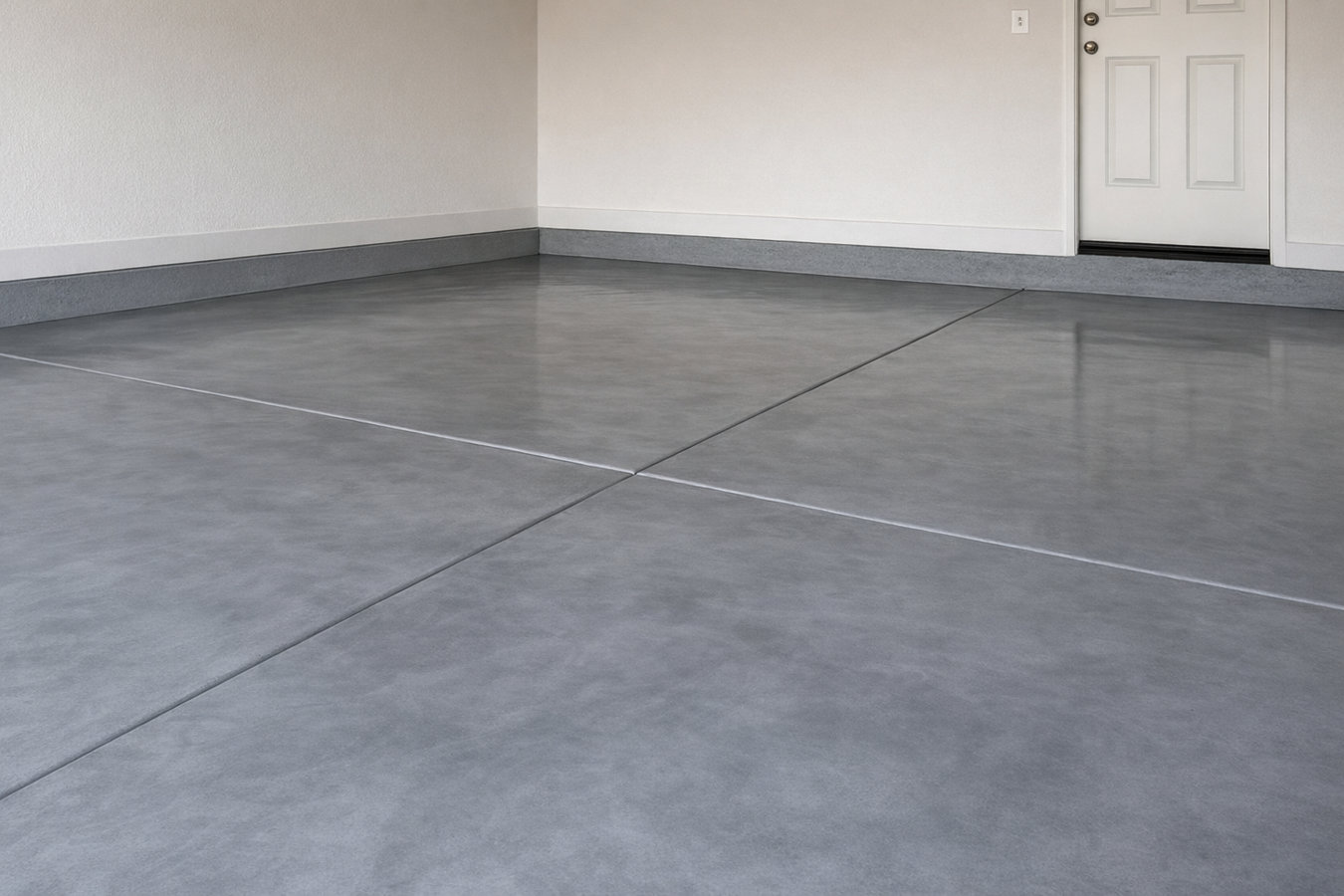
Clay soil shifts. Existing slabs crack and heave. When the floor you have is no longer working, a properly poured and reinforced concrete floor gives you a stable, low-maintenance surface that handles Denison conditions for decades.
Concrete floor installation in Denison, TX covers base preparation, forming, reinforcement placement, pouring, and finishing - most residential pours are completed in a single day, with a curing window of 24 to 48 hours before light foot traffic and about a week before vehicle loads.
Homeowners in Denison typically come to us for one of three reasons: their existing floor is too far gone to patch again, they are finishing or converting a space that needs a proper slab to start, or they want a clean, durable surface that holds up to the Texas heat and the clay soil movement that cracks so many slabs in this area. If you are planning an outdoor slab and want a finished surface with more visual interest, our garage floor concrete service covers coating and sealing options that work well for working garages and shops.
The detail that separates a slab that holds from one that cracks within a few seasons is base preparation. In Denison's heavy clay soil, the ground moves more than most homeowners expect, and a slab poured onto a poorly compacted base has nothing to resist that movement. We confirm the base is ready before the forms go in - not after.
A garage with no finished floor - or one where the old concrete is badly cracked and uneven - is a concrete floor project waiting to happen. In Denison's climate, a bare dirt garage floor also means mud and moisture every time it rains heavily.
Denison's expansive clay soil causes existing slabs to heave, crack, or settle unevenly over time. If you notice sections that are noticeably higher or lower, or large cracks running across the surface, repeated patching is usually less effective than replacing the slab.
Turning a garage into a workshop, a covered patio into an enclosed room, or adding a new outbuilding all start with the floor. Getting the slab right from the beginning makes every step that follows easier, more durable, and less likely to cause problems down the road.
If water pools on your existing floor after rain, or you notice moisture along the edges, the slab may not be graded correctly. A new slab can be poured with the right slope to move water away from the structure rather than letting it sit and work its way in.
Most of our floor installation work falls into one of four categories: garage and shop floors poured with vehicle-load reinforcement, interior living space slabs for room conversions and additions, outdoor patio and covered slabs graded for drainage, and decorative finish options for homeowners who want a surface that looks as good as it performs. Every pour starts with base preparation and ends with control joints that give the concrete a planned place to move if the ground shifts.
If your project includes an adjacent outdoor space - like a patio slab next to a new garage floor - our concrete pool decks service handles outdoor poured slabs around water features with the same drainage and finish standards we apply to every project. Both can be coordinated as a single project when the timing lines up.
The most common residential pour - a broom or trowel finish slab sized for your garage footprint, reinforced for vehicle loads, and graded to drain toward the door.
For room conversions or new construction, interior slabs can be poured smooth for polishing or staining, with thicknesses matched to the load the space will carry.
An outdoor slab for a covered patio or carport starts with correct drainage grading - water needs a clear path away from the house, not toward it.
Stamped patterns, staining, or exposed aggregate can be applied to a new floor pour for homeowners who want a finished surface that does more than just function.
The Blackland Prairie clay that dominates Grayson County soil is one of the most expansive soil types in the country. It swells significantly when it rains and shrinks back as it dries, and that cycle repeats every year. A concrete floor poured over this soil without the right base compaction, the right reinforcement, and the right thickness for local conditions is going to move - it is not a question of if but when. Homeowners in Van Alstyne and throughout Collin County face the same clay soil challenge, and getting base prep right is the first thing we confirm at every site visit.
Summer heat is the other major local factor. Denison regularly sees days above 95 degrees F, and fresh concrete that dries out before the chemical curing process finishes loses surface strength before you ever use the floor. We schedule summer pours for early morning and take active steps to protect the slab during the first few days. Homeowners in Bonham and across Fannin County deal with the same heat and soil conditions we work around every day in Denison. Resources like the American Concrete Institute publish standards specifically addressing hot-weather concrete placement that we apply on every summer pour.
We respond within 1 business day. We will want to know the space, the approximate size, and how you plan to use the floor - that information lets us ask the right questions before the site visit.
We visit your property to assess the base, measure the space, and check how the slab will drain. Your written estimate includes slab thickness, finish type, reinforcement, and whether a permit is needed.
The crew grades and compacts the base, sets forms to define the slab edges, and places reinforcement. Then the concrete is poured, leveled, and finished to the specified surface texture in a single pour day.
We will tell you exactly when the slab is ready for foot traffic, vehicle loads, and heavy items. Forms are removed, the site is cleaned, and we walk you through what to watch for during the curing period.
We visit your site, check the base conditions and drainage, and give you a written quote with no pressure and no surprises.
(903) 415-9256We compact and prepare the base for Denison's Blackland Prairie clay, which moves more than most soil types. That means the right depth, the right compaction, and reinforcement sized for what is actually underneath - not what a standard spec sheet calls for.
North Texas heat can dry fresh concrete before the curing process finishes if the crew is not on top of it. We schedule summer pours for early morning and take active steps to protect the surface during the first critical days - a detail that determines long-term slab strength.
Every slab we pour is planned with drainage direction confirmed before the first form is set. In a place like Denison, where heavy rain arrives fast and clay soil holds water, a slab that does not drain correctly is a floor that works against your home rather than for it.
Your estimate spells out slab thickness, finish type, reinforcement, and permit coordination if required. The American Concrete Institute publishes standards for residential slab construction that guide how we specify every pour.
Every floor we install is designed for the specific soil conditions, drainage requirements, and use case of that property - not a one-size spec applied to every job. That is the difference between a slab that performs for 30 years and one that starts showing problems in the first few seasons. Quality concrete floor installation comes down to what goes into the base and the pour - the finish is just what you see last.
Extend your outdoor concrete work with a pool deck pour that matches your new floor in finish and drainage design.
Learn MoreFocused specifically on garage slab pours - finish options, load ratings, and floor coatings for working garages.
Learn MoreCall or submit the form today for a free on-site estimate - spring and fall slots fill quickly, so reaching out now keeps your project on track.